01
STRENGTHENING THE THIRD TIER OF GOVERNMENT
Panchayat Leadership & Institutional Capacity Building
From constitutional mandate to functional local self-government.
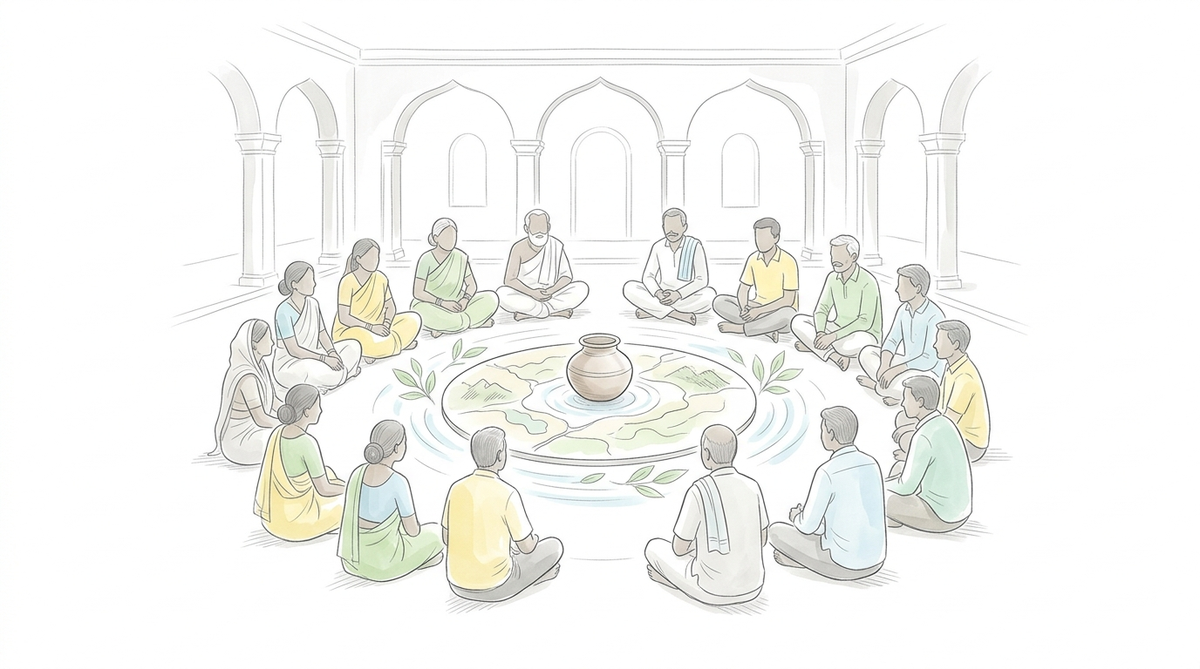
WaterBANK strengthens Panchayati Raj capacity through structured training, governance education, participatory planning and leadership development for elected representatives, committees, and Gram Sabha participants.
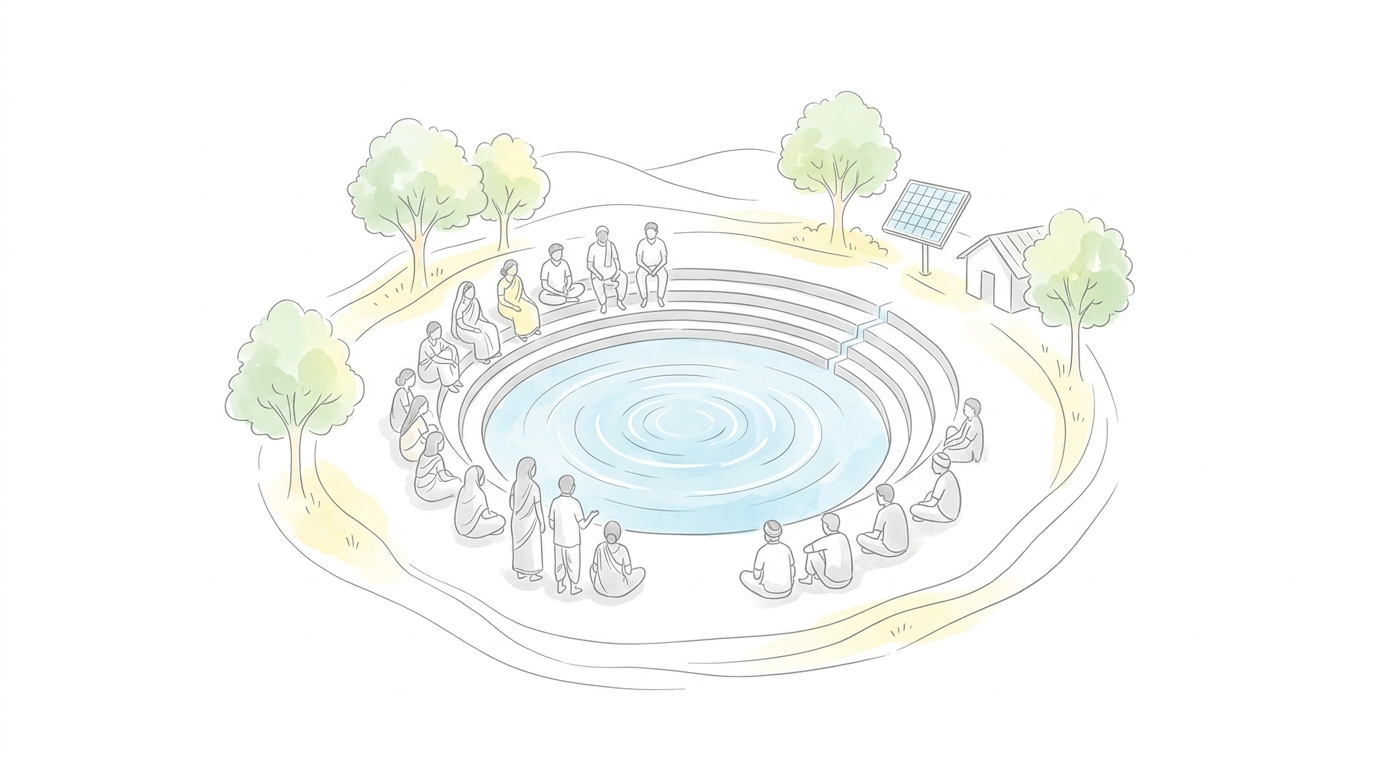
- Training on 29 Eleventh Schedule subjects, Funds–Functions–Functionaries & 9 Localization of SDGs themes
- Strengthening Gram Sabhas, standing committees and water-related village institutions
- Integrating water security, ecological restoration & climate resilience into GPDPs
- Promoting financial accountability, social audits and community participation
- Collaborating with Panchayati Raj training institutions and universities
Envisioned impact: Panchayats that function as capable, participatory and accountable institutions of local self-government rather than merely implementing externally designed schemes.
02
KNOW YOUR PANCHAYAT • KNOW YOUR RIGHTS • BUILD YOUR VILLAGE
Panchayat Olympiad
Making grassroots democracy a subject of curiosity, learning and pride.
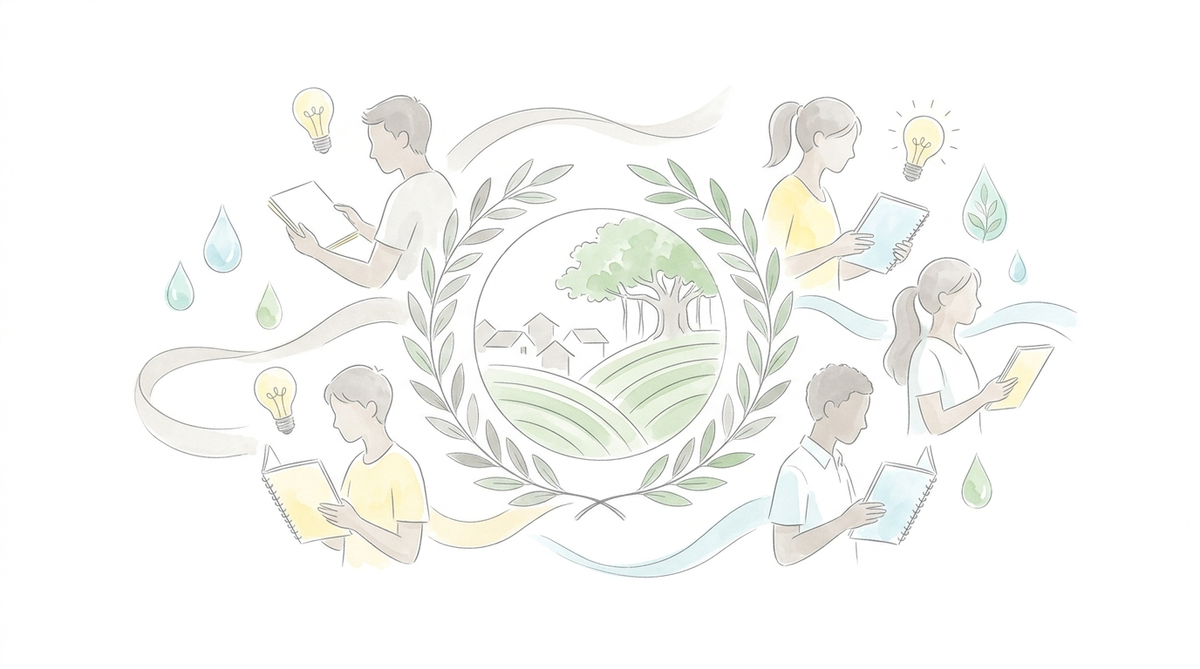
An educational engagement and recognition programme for school and college students introducing India's constitutional framework of local self-government and citizen responsibilities.
- Age-appropriate quizzes & competitions on Panchayati Raj, Constitution, 29 subjects and SDGs
- Student-led research on village governance, public resources & environmental challenges
- Creative contests spanning storytelling, debates, posters, films and problem-solving
- Recognition through certificates, awards, mentorship and community engagement
- Partnerships with schools, colleges, youth organizations & PRIs
Envisioned impact: A generation of informed young citizens who understand local democracy and actively participate in community development.
03
ONE WARD • ONE COMMUNITY • ONE REGENERATIVE FUTURE
Net-Zero Ward Mission
Transforming the smallest electoral unit of Panchayati Raj into a model of ecological self-reliance.
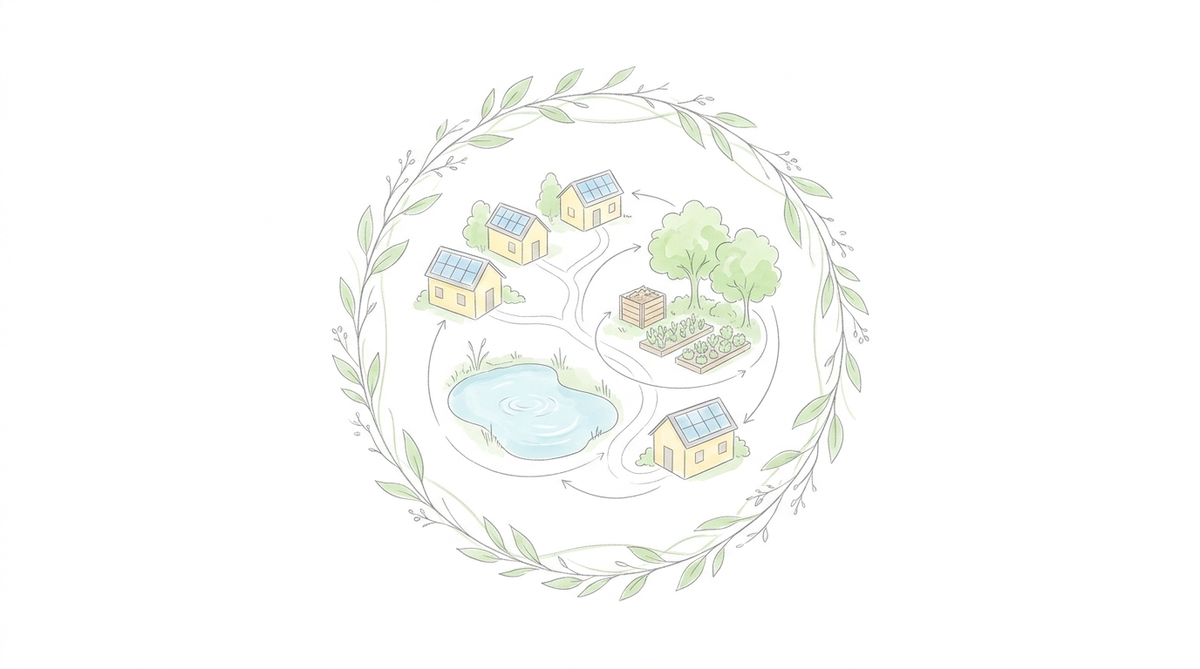
Establishes Ward-level demonstration habitats pursuing an integrated net-zero approach across water, energy, waste and nature-positive ecological outcomes with defined baselines.
- Water-positive: Conservation, harvesting, recharge, reuse and source protection
- Clean energy: Renewable energy adoption and efficient resource consumption
- Circular waste: Waste reduction, segregation, composting and resource recovery
- Nature-positive: Soil restoration, biodiversity, native vegetation & ecological assets
Envisioned impact: Replicable, resource-efficient and climate-resilient rural habitats with transparent measurement towards locally defined net-zero and nature-positive goals.
04
CONNECTING EDUCATIONAL CAMPUSES WITH GRASSROOTS COMMUNITIES
Campus–Ward Ambassador Programme
Every campus can become a knowledge partner to a village Ward.
Builds a two-way bridge between universities, technical & management colleges and Panchayati Raj by engaging students as trained ambassadors for rural ecological and governance action.
- Connecting interested educational campuses with participating Panchayat Wards
- Training student ambassadors in local governance, water literacy, SDGs and engagement
- Supporting Ward-level resource mapping, water-quality awareness and sustainability audits
- Facilitating research, innovation, skilling & entrepreneurship tailored to local needs
- Documenting verified outcomes through field projects and case studies
Envisioned impact: A mutually beneficial partnership where campuses become centres of applied learning and Wards become living laboratories for sustainable development.
05
INCENTIVIZING NATURE-POSITIVE ACTION THROUGH PARTNERSHIPS
BarterWATER — Ground Action for Self-Reliant Habitats
From awareness to action. From ecological responsibility to recognized community value.
WaterBANK's framework mobilizing communities, Panchayats and partner organizations to undertake verifiable nature-positive actions rewarded through Rainbow Credits and Power Utility Tokens.
- Partnering with grassroots NGOs, Panchayats, academia, community groups & CSR partners
- Rejuvenating ponds, springs, wetlands, traditional water bodies and degraded watersheds
- Supporting safe drinking water, groundwater recharge, surveillance & water-efficient farming
- Transparent community participation, asset verification and performance monitoring
- Developing community incentives, green livelihoods & sustainable financing mechanisms
Envisioned impact: Active custodian communities supported by resilient institutions, appropriate technology and incentives for sustained ecological stewardship.
06
CHARACTER • CONSTITUTION • COMMUNITY • CLIMATE
Rural Youth Ethical Leadership Mission
Developing leaders who serve communities before seeking authority.
Identifies, mentors and empowers rural youth—especially young women, marginalized communities and first-generation changemakers—to become responsible leaders anchored in integrity and Gram Swaraj.
- Leadership education rooted in constitutional values, Gram Swaraj, public ethics & democracy
- Training in communication, conflict resolution, collective decision-making & accountability
- Hands-on community service via water conservation & local ecological restoration
- Mentorship by experienced Panchayat leaders, educators, administrators & practitioners
- Inclusive leadership pathways for rural youth and women changemakers
Envisioned impact: A new generation of ethical rural leaders capable of strengthening community institutions, protecting natural resources and advancing sustainable development.